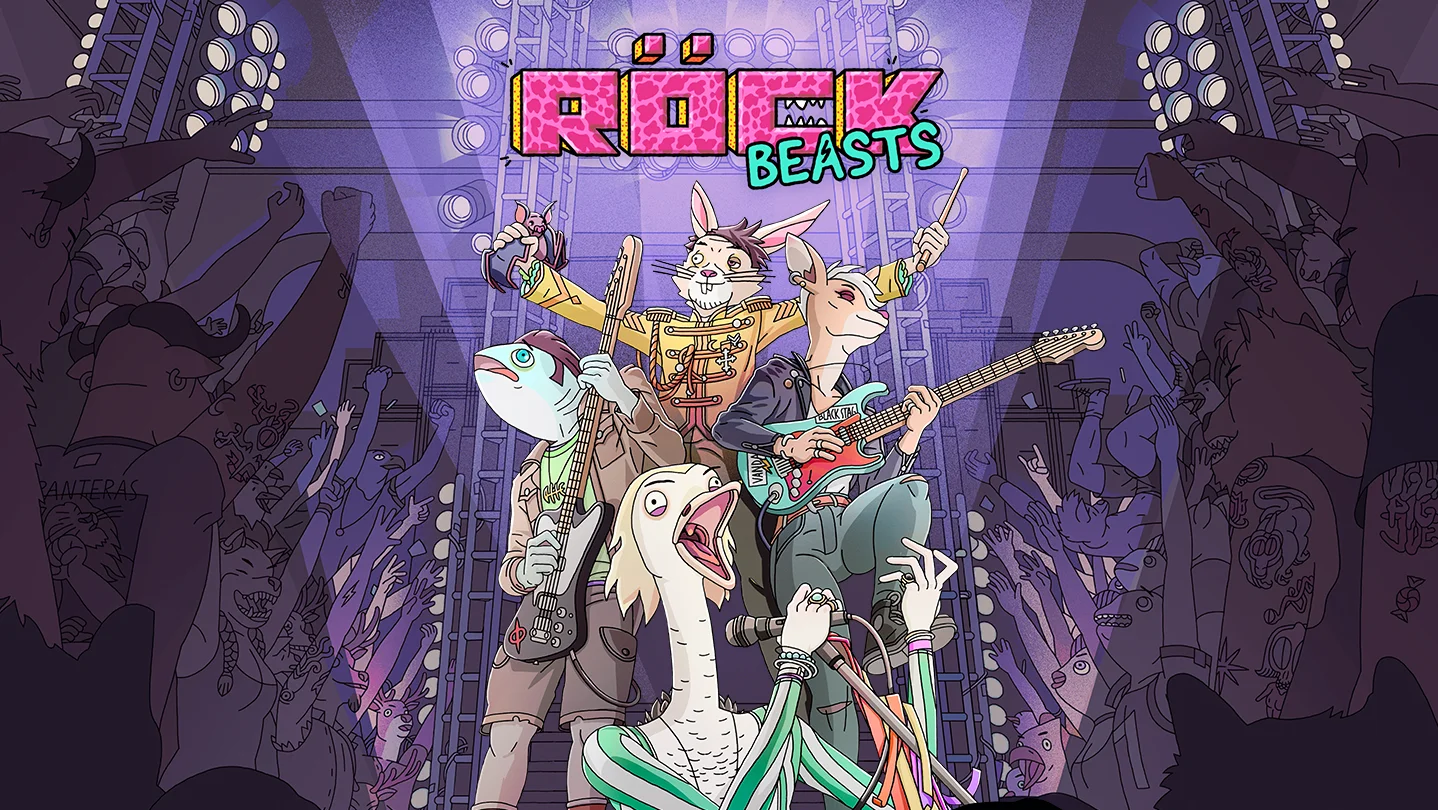
- This Rockbeasts beginner guide covers the core management loop from garage band to bigger stages.
- You play the band manager, not a single musician — every decision shapes the group.
- Member morale and self-esteem matter as much as money; conflicts can derail progress.
- Balance time, gear, setlists, and gig opportunities — never overspend early.
- Rockbeasts launches on PS5 in January 2027, with listings on Steam and Xbox.
What Rockbeasts Is and How You Play
Rockbeasts is a dark-comedy rock band management RPG developed by Lichthund and published by Team17, set in an alternative 1990s America. You take the role of a manager guiding an anthropomorphic beast band from garage obscurity toward stadium glory. The game combines narrative choices, resource management, rhythm-based performances, and relationship handling across a world featuring 100+ characters and about 90 locations.
Video Highlights:
- Official reveal trailer from the PlayStation YouTube channel
- Shows the grunge-era art direction and band management tone
- Confirms the January 2027 PS5 launch window
- Introduces the beast band at the heart of the story
Before your first session, understand the three pillars of the game:
| Pillar | What It Covers | Beginner Focus |
|---|---|---|
| Band Management | Members, morale, self-esteem, relationships | Keep conflicts low early |
| Career Planning | Time, budget, gigs, equipment, opportunities | Avoid overspending on gear |
| Live Performance | Setlists, stage setup, rhythm sections | Practice with small venues first |
Rockbeasts is a single-player, story-driven RPG — there is no multiplayer, no codes system, and no daily-login rewards. Approach it like a management narrative, not a live-service grind.
Your First Five Steps as a New Manager
The early hours of Rockbeasts set the trajectory for the entire campaign. Follow this sequence to build a stable foundation before chasing bigger gigs.
Take Responsibility for the Band
Learn the manager role first. Your decisions direct the band's schedule, resources, and professional identity. Early mistakes are recoverable, but bad habits compound — review each decision's description before committing.
Build and Manage the Line-up
Get to know each member's personality, strengths, and friction points. Self-esteem is a real system here: a bruised ego after a bad gig can bleed into rehearsals and relationships. Address conflicts early instead of letting them fester.
Organize Time and Opportunities
The band's schedule is limited. Weigh rehearsals, rest, side tasks, and gig offers against each other. Passing on a mediocre opportunity to prepare properly for a better one is usually the right call.
Develop Songs and Equipment
Invest in the song list and gear that match your current goals. A tighter setlist on reliable equipment beats an expensive amp the band cannot yet use well.
Work Toward Larger Performances
Stack successful decisions, stronger relationships, and steady development to unlock bigger venues. Growth is earned through consistency, not one lucky show.
Accepting a high-profile show before the band is ready can damage morale, reputation, and finances at once. Build confidence in smaller venues before stepping up.
Core Systems Every Beginner Should Master
Six systems drive the game loop. Understanding how they interact is the difference between a band that holds together and one that implodes backstage.
Resource Management
- Limited funds early in the campaign
- Prioritize repairs over upgrades
- Keep a reserve for gig costs
Time and Scheduling
- Every week is a trade-off
- Balance rest vs. rehearsal
- Deadlines punish poor planning
Band Relationships
- Track self-esteem per member
- Conflicts spread through the group
- Praise and attention pay off
Tasks and Opportunities
- Evaluate short vs. long-term value
- Some offers carry hidden costs
- Rejection is sometimes correct
Equipment Upgrades
- Worn gear fails mid-performance
- Maintain before you expand
- Match gear to venue size
Songs and Setlists
- Curate songs for each venue and objective
- Familiar material builds momentum
- Growth songs pay off later
| System | Neglect It and... | Beginner Priority |
|---|---|---|
| Money | Gigs become unaffordable, gear breaks | ★★★★★ |
| Morale | Conflicts stall story progress | ★★★★★ |
| Time | Missed deadlines, rushed shows | ★★★★ |
| Gear | On-stage failures hurt reputation | ★★★★ |
| Setlist | Flat performances, weaker reception | ★★★ |
Check member moods after every major event, keep equipment above serviceable condition, and review the setlist before confirming any gig. These three habits prevent most early-game crises.
First Gig Preparation Walkthrough
Your opening performances set the tone. Use this quick-reference table to prepare each area of a show.
| Category | What to Prepare | Impact on the Gig |
|---|---|---|
| Setlist Selection | Songs that fit the venue and current band level | Coherent flow, stronger identity |
| Gear Preparation | Verify instruments, amps, mics before departure | Fewer avoidable interruptions |
| Stage Setup | Arrange stage for communication and flow | Easier recovery from mistakes |
| Failure Response | Plan backup actions for broken gear | Protects momentum when things break |
After the show, review the results: audience reaction, member states, and finances. A modest-paying gig that leaves everyone intact is worth more than a bigger payday that fractures the band.
Consistent, well-prepared shows build the track record that unlocks larger venues and industry attention. Treat every gig — even a half-empty bar — as an audition for the next one.
Early-Game Goals Checklist
Work through these milestones during your first chapters. They establish the stability you need before the story's bigger decisions arrive.
First Chapter Goals:
- Learn every band member's personality and friction points
- Complete a small gig with no equipment failures
- Keep all members' self-esteem above critical levels
- Maintain a cash reserve covering one full gig's costs
- Resolve your first major internal conflict
- Build a setlist of at least four rehearsed songs
Rockbeasts tracks your decisions across chapters — creative freedom vs. commercial compromise, label negotiations, and relationship calls all echo into later events and the ending route. If a decision feels significant, it probably is; consider keeping a separate save before major commitments.
Beginner FAQ
Q: When does Rockbeasts release, and on which platforms?
Rockbeasts is scheduled to launch in January 2027 on PS5, per the official PlayStation announcement. The game also has store listings on Steam and the Xbox Store, so follow the official storefront pages for final platform and pricing details.
Q: Do I play as a musician in the band?
No. You play as the band's manager. Your job covers scheduling, finances, gig selection, setlist planning, relationship handling, and the big career decisions that shape the band's direction.
Q: What happens if I ignore band members' moods?
Self-esteem and interpersonal conflicts are core systems in this Rockbeasts beginner guide because neglecting them stalls progress. Unresolved conflicts can undermine rehearsals, performances, and story events, so check member states regularly.
Q: Should I sign with a record label early?
Label decisions involve trade-offs between commercial support and creative control. Early in the game, independence gives you room to develop the band's identity; weigh any offer's long-term conditions, not just the immediate payout.