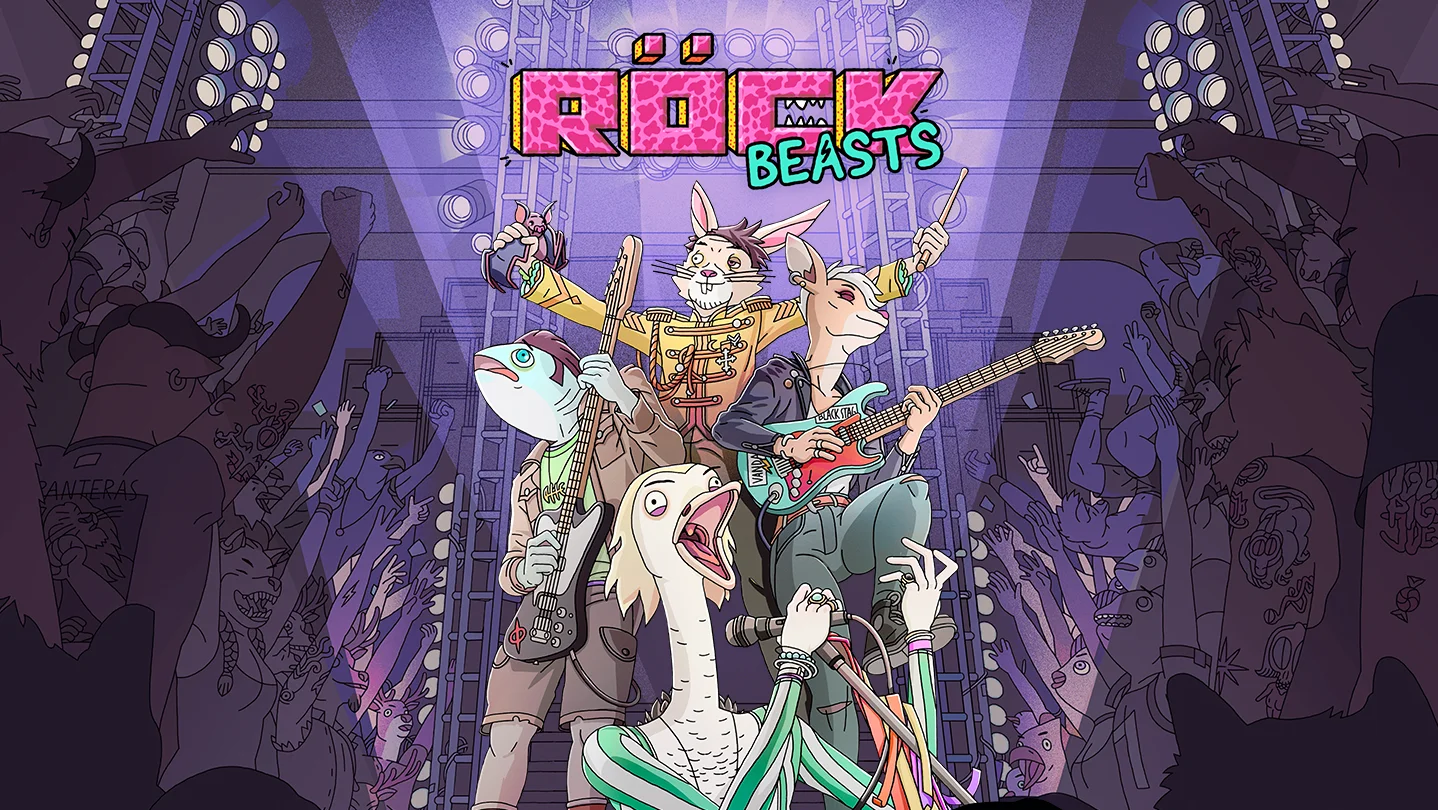
- Rockbeasts band management revolves around balancing money, relationships, time, and reputation
- Self-esteem matters: band members react to your decisions, and conflicts can stall progress
- Gig preparation (setlist, gear, stage setup) directly affects performance outcomes
- Budget discipline prevents early-game collapse from repairs and travel costs
- Long-term choices around record labels shape creative freedom vs. commercial success
Understanding the Band Management Core Loop
Rockbeasts, the dark-comedy rock band management RPG from Lichthund and Team17, places you in the manager's chair of a chaotic band working through an alternative 1990s America. The game combines narrative decision-making with resource management, relationship handling, and live performances. Every week, you choose how the band spends limited time and money, and those decisions compound into either a rise toward stadium shows or a slow unraveling in a garage.
The management loop touches six interconnected systems, and neglecting any one of them creates problems in the others. The table below summarizes what each system controls and what happens when it slips.
| System | What It Covers | Risk If Neglected |
|---|---|---|
| Resource management | Money, priority spending | Cash flow breaks, missed repairs |
| Time and scheduling | Weekly activity planning | Underprepared gigs, stalled growth |
| Band relationships | Self-esteem, interpersonal conflicts | Members quit or underperform |
| Tasks and opportunities | Evaluating offers and requests | Wasted chances, damaged reputation |
| Equipment upgrades | Instruments, amps, gear condition | On-stage failures, weaker shows |
| Songs and setlists | Repertoire and gig planning | Stale performances, poor reception |
Your job is not to make every member happy all the time. It is to keep the band productive, prepared, and together long enough to reach bigger stages. Short-term friction is sometimes the price of long-term momentum.
Money Management and Budgeting
Cash is the oxygen of any Rockbeasts campaign. Early on, the band operates on thin margins, and several common expenses can drain funds faster than gigs replenish them. Building a simple weekly budget habit is the single most reliable way to avoid a failed run.
Track Fixed Costs First
Identify recurring obligations such as rent, basic gear upkeep, and travel to scheduled gigs. These come out of the budget before any discretionary spending.
Set a Repair Reserve
Keep a cushion for emergency equipment repairs. Broken gear before a show is one of the fastest ways to lose both income and reputation at once.
Prioritize Revenue-Generating Gigs
When weighing opportunities, favor shows that cover their own costs. Small venues with reliable payouts beat prestigious gigs the band cannot afford to reach.
Reinvest Surplus Deliberately
Once reserves are healthy, direct extra funds toward equipment upgrades or song development that supports the next tier of venues.
Do not spend the entire balance on a single flashy upgrade. One expensive amp does not help if the band cannot afford to fix a broken van or a blown speaker before the next show.
Band Members, Self-Esteem, and Conflict Handling
The musicians are the heart of the management experience. Each member has a distinct personality, and their self-esteem rises or falls based on how you treat them, how the band performs, and how conflicts get resolved. Unlike a stat-based tier list, Rockbeasts treats the band as an interconnected team where chemistry shapes the story.
Praise Strategically
- Boosts a member's self-esteem
- Use after strong performances
- Overuse dilutes its effect
Address Conflicts Early
- Unresolved tension spreads through the group
- Delaying makes later mediation costlier
- Some conflicts require choosing sides
Match Roles to Personalities
- Consider who handles pressure well
- Front-of-stage vs. support roles matter
- Mismatches show up during live shows
Accept Imperfect Outcomes
- Some decisions please no one
- Story-driven consequences are normal
- Track results for future playthroughs
Think of member morale the same way you think of money: it depletes, it recovers, and it can be invested. A band with healthy relationships survives bad weeks; a fractured one collapses during them.
Gig Preparation: Setlists, Gear, and Stage Setup
Live performance is where preparation pays off. A gig outcome depends on the setlist you build, the condition of your equipment, the stage arrangement, and how quickly you respond when something breaks mid-show.
| Category | Preparation | Performance Impact |
|---|---|---|
| Setlist selection | Review songs, match venue and objective, balance familiar material with growth pieces | Coherent flow, stronger show identity |
| Gear preparation | Check instruments, amps, mics before departure | Fewer avoidable interruptions |
| Stage setup | Match arrangement to equipment and setlist needs | Smoother flow, easier mid-show adjustments |
| Failure response | Track gear condition, plan backup actions | Protects momentum when tech fails |
Opening with the strongest accessible song hooks the room, while saving the peak track for late in the set keeps energy building. A flat middle section is the most common setlist mistake.
Long-Term Strategy: Choices, Labels, and Endings
Rockbeasts structures its story around decisions with both immediate and delayed consequences. Record label negotiations are the clearest example: accepting commercial conditions brings money and reach, while protecting creative autonomy preserves the band's identity at a cost.
Career Milestones to Track:
- Establish a stable weekly budget with a repair reserve
- Reach positive band morale after the first paid gigs
- Complete a gig with zero equipment failures
- Upgrade core performance gear for the band
- Make a deliberate, informed label decision
For players planning multiple playthroughs, keeping notes on key decisions and comparing chapter outcomes makes each new route more distinct. The official Steam store page confirms the game includes over 100 characters and roughly 90 locations, giving later runs plenty of new interactions to explore.
Decide early whether this playthrough chases commercial success or creative integrity. Consistent choices produce more coherent story outcomes than constantly switching priorities.
FAQ
Q: What is the most important system in the Rockbeasts band management loop?
Money management is the foundation. Without a budget cushion for repairs and travel, even a talented band collapses before reaching bigger venues. Keep fixed costs covered, maintain a repair reserve, and prioritize gigs that pay for themselves.
Q: How do band member conflicts affect gameplay?
Members have individual personalities and self-esteem that respond to your decisions. Unresolved conflicts spread through the group and can undermine performances and progression, so address tension early and weigh who handles pressure well when assigning stage roles.
Q: What should I check before every gig?
Confirm your setlist matches the venue and objective, verify all gear is in working condition, arrange the stage to fit your equipment, and know your backup plan if a key piece fails during the show.
Q: When does Rockbeasts release?
Based on the official PlayStation announcement, Rockbeasts is scheduled to launch in January 2027. Follow the official Steam page and PlayStation Blog for final platform and pricing details.